• No results
ElementalAmplified
Manuscript
Notes
#
The Pulter Project
pulterproject.northwestern.edu
Poem 47

Why Art Thou Sad at the Approach of Night

Edited by Leah Knight and Wendy Wall
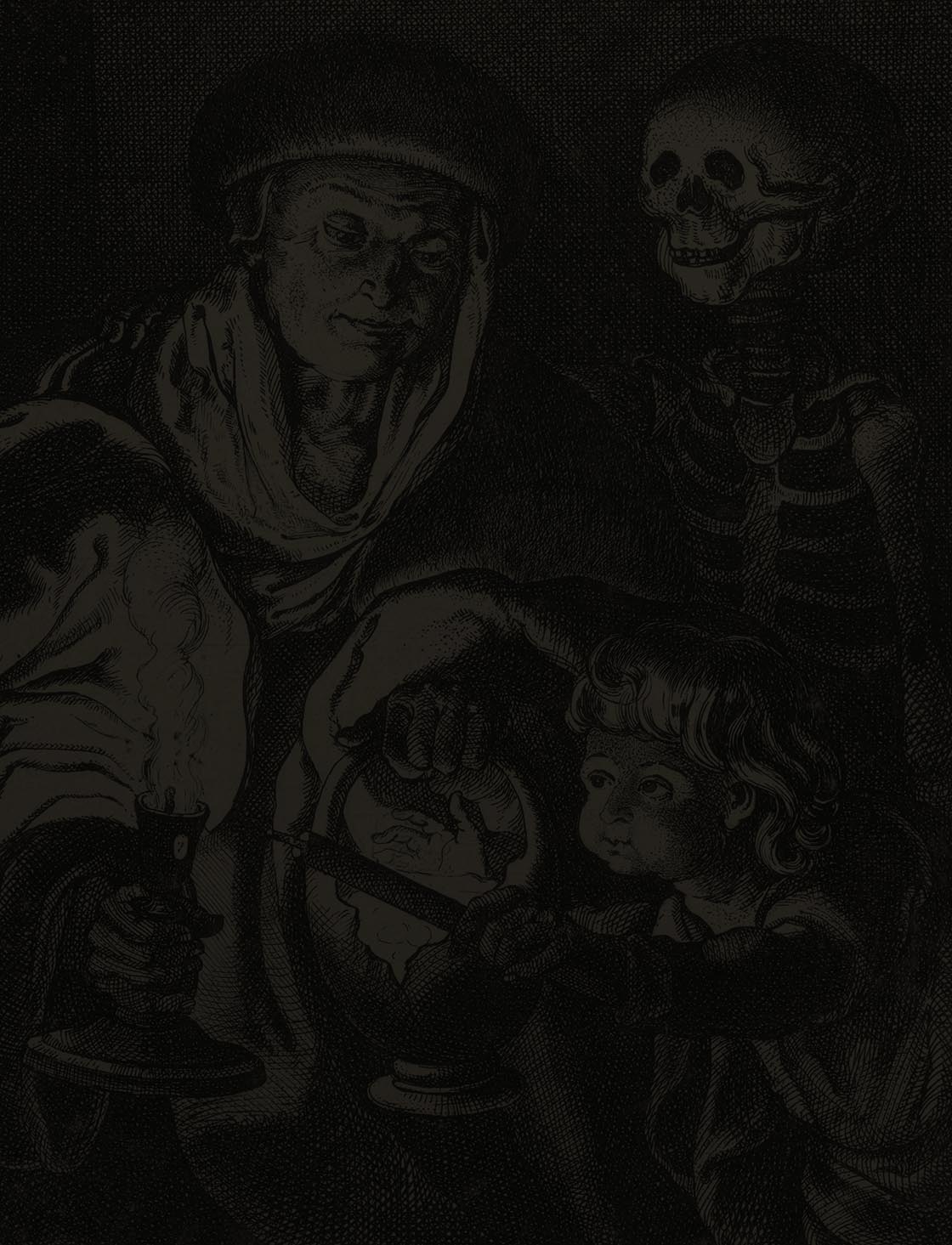
At nightfall, in stanzas that allude to the folksy and familiar meter of popular ballads, the speaker soothes her saddened soul; but the proffered solace might seem cold comfort, since it requires the embrace of death (a precondition of a promised return to life). The speaker thus broadens her address to hail the Fates, who are dared, in a nearly paradoxical rhyme, to do “right” by the speaker through their “spite”: that is, she invites them to kill her. This careless bravado extends to her boasted fearlessness of the classical Furies, and her contentment to lie down in her grave; but the poem’s incongruous final image, likening that grave—the earth, and hence her “cause”—to her “finest downy bed,” revives some of the disquiet of the opening scene.
Compare Editions
i
1Why art thou sad at the approach of night,
2My melancholy soul?
3Should not obscurity and cheerful light
4After each other
roll1
?
5For, as sad gloomy shades doth follow light,
6So after life we die;
7But death at last is conquered quite:
8O happy victory.
9There’s nothing like day’s dissolution
10Within my mind so
rife2
;
11Methinks ’tis like the revolution
12Of life and death and life.
13Come, cruel
Lachesis and Clotho3
both,
14Come, show your
utmost4
spite:
15Methinks you
twirl and twist5
as loath
16To come and do me right.
17For, seeing the voice of nature doth
rehearse6
18That revolution
19Is the preserving of the universe
20From dissolution,
21What need I care, then, when I do expire,
22Although I turn to
dust7
,
23Seeing total nature still is kept entire,
24In all her actions just?
25Then let
Erinys and her cursed train8
26Scare those that fear their might;
27Their
blazing brands and vipers vain9
28Shall me no more affright.
29For I as gladly in my quiet grave
30Will lay me down to rest
31As in the finest downy bed I have,
32In
causes10
all sleep best.
Macron symbol indicating the end of a poem.

Elemental Edition,

edited by Leah Knight and Wendy Walli

Editorial Note

The aim of the elemental edition is to make the poems accessible to the largest variety of readers, which involves modernizing spelling and punctuation as well as adding basic glosses. Spelling and punctuation reflect current standard American usage; punctuation highlights syntax which might otherwise be obscure. Outmoded but still familiar word forms (“thou,” “‘tis,” “hold’st”) are not modernized, and we do not modernize grammar when the sense remains legible.

After a brief headnote aimed at offering a “way in” to the poem’s unique qualities and connections with other verse by Pulter or her contemporaries, the edition features a minimum of notes and interpretative framing to allow more immediate engagement with the poem. Glosses clarify synonyms or showcase various possible meanings in Pulter’s time. Other notes identify named people and places or clarify obscure material. We rely (without citation) primarily on the Oxford English Dictionary (OED), the Oxford Reference database, and the King James Version (KJV) of the Bible. When we rely on Alice Eardley’s edition of Pulter’s work, we cite her text generally (“Eardley”); other sources are cited in full. The result is an edition we consider a springboard for further work on Pulter’s poetry.

See the full conventions for the elemental edition here.

Macron symbol indicating the end of a poem.
  • Leah Knight, Brock University
  • Wendy Wall, Northwestern University
  • roll
    proceed; revolve; flow
  • rife
    frequent, common
  • Lachesis and Clotho
    in classical myth, two of three female Fates who determine the length of human lives, represented as threads
  • utmost
    most extreme
  • twirl and twist
    the threads of fate
  • rehearse
    report; repeat
  • dust
    finely disintegrated matter; see Genesis 2:7: “And the Lord God formed man [of] the dust of the ground, and breathed into his nostrils the breath of life; and man became a living soul.”
  • Erinys and her cursed train
    in classical myth, Erinys is a goddess of punishment known as a fury; “train” here likely signifies her followers, but may also signify treachery; a trap; artillery; manner of action; consequences.
  • blazing brands and vipers vain
    The Furies were represented as carrying torches and scourges, and wreathed with snakes.
  • causes
    place or material of origin
The Pulter Project

Copyright © 2023
Wendy Wall, Leah Knight, Northwestern University, others.

Except where otherwise noted, this site is licensed
under a Creative Commons CC BY-NC-SA 4.0 License.

How to cite
About the project
Editorial conventions
Who is Hester Pulter?
Resources
Get in touch