• No results
ElementalAmplified
Manuscript
Notes
#
The Pulter Project
pulterproject.northwestern.edu
Poem 90

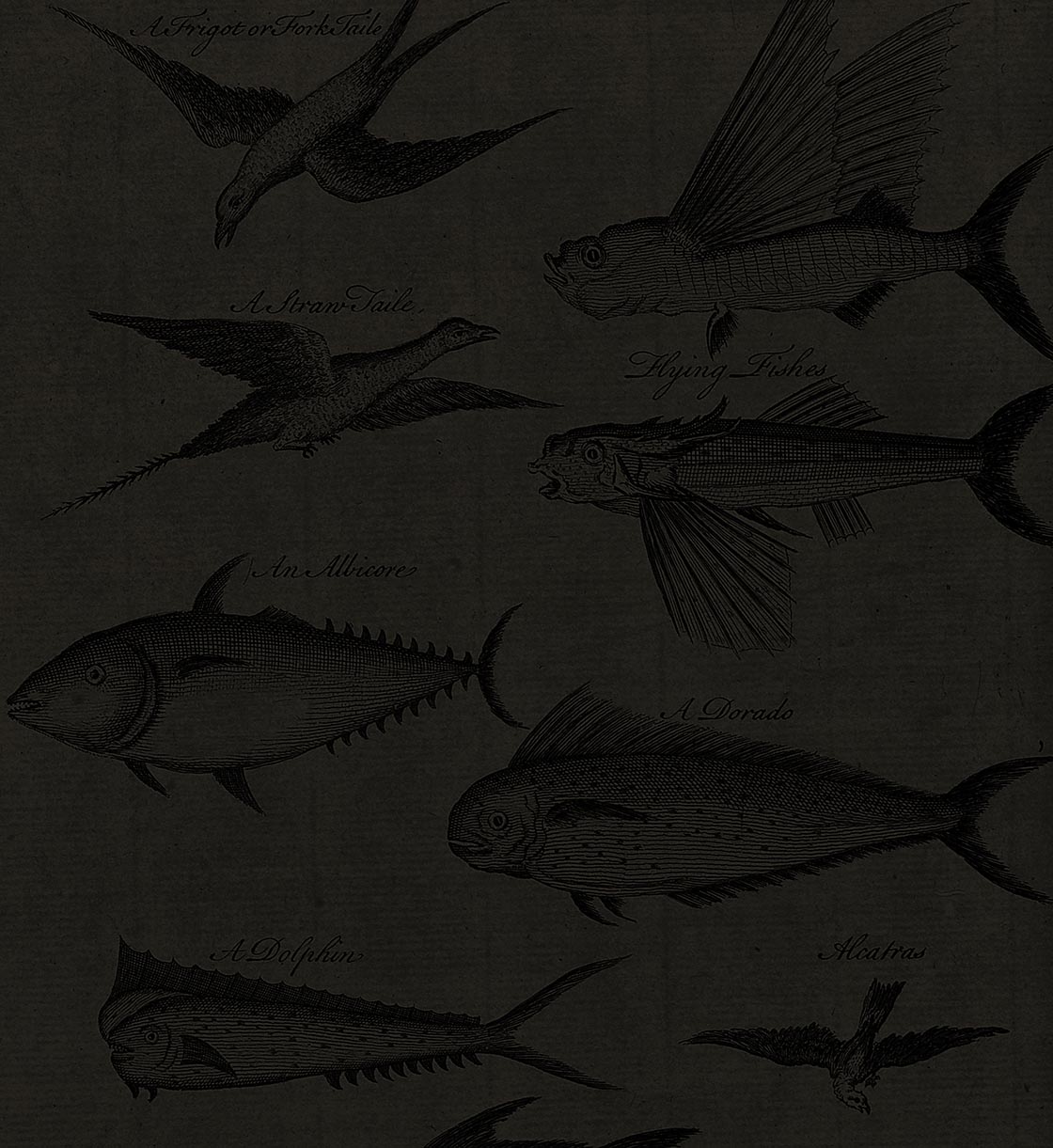
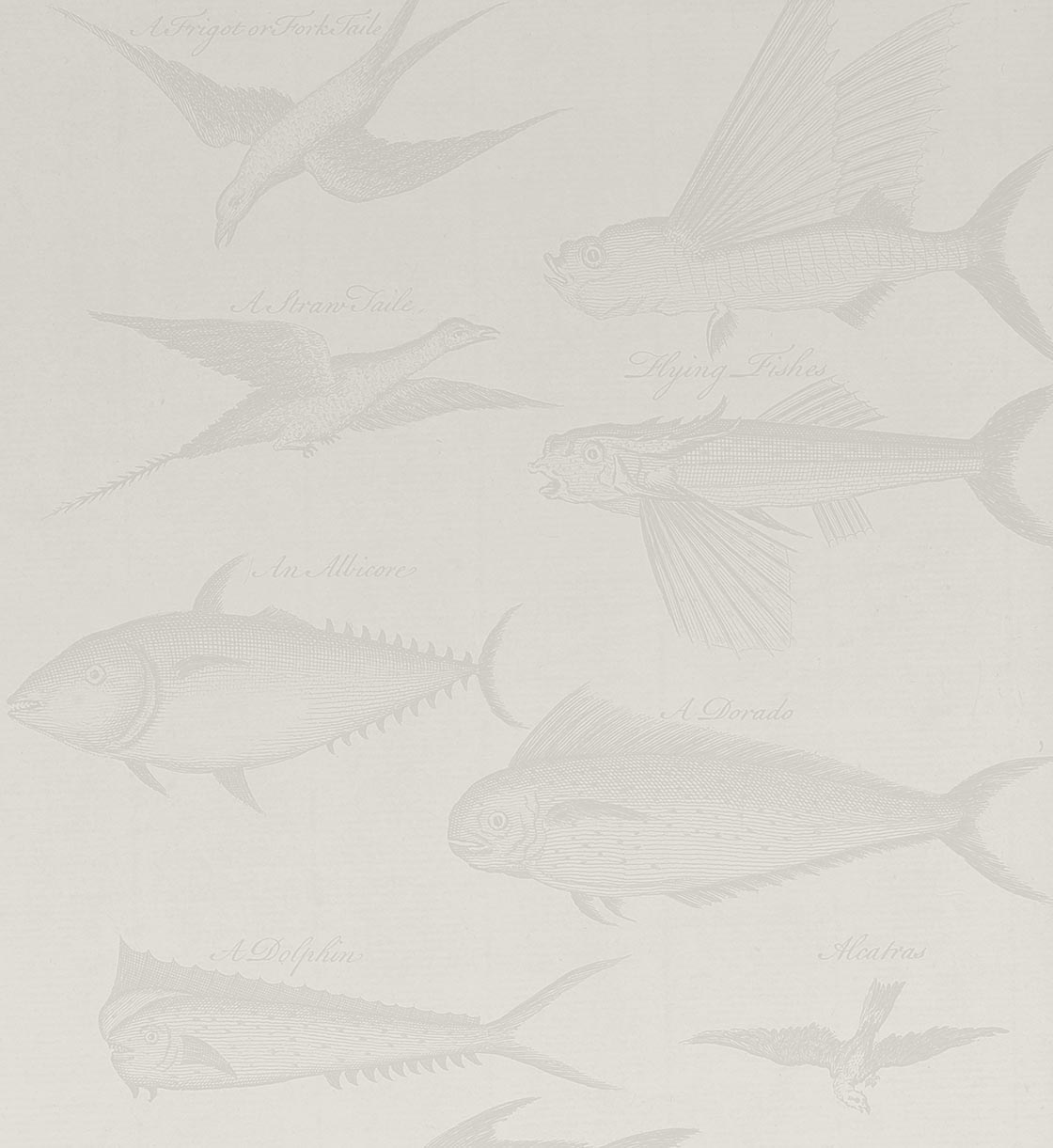
This Flying Fish
(Emblem 25)

Edited by Leah Knight and Wendy Wall
Damned if you do, damned if you don’t—this emblem asks the reader to imagine three seemingly unrelated creatures who must choose between equally hazardous options: the flying fish who faces predators whether leaping in the sky or diving beneath the waters; a wounded deer who can flee and bleed to death, or get caught when resting to conserve energy; and Charles I, who surrendered during the civil war to those in his native Scotland (who betrayed him) in order to evade English armies. Envisioning the king as akin to a quivering and bleeding deer connects him imagistically with Pulter’s dying daughter, Jane, in Upon the Death of my Dear and Lovely Daughter10, thus showing the crossover between Pulter’s vocabularies for expressing political and personal elegy. Yet what at first seems a lesson in futility turns, in this emblem’s final four lines, to a discovery of consolation, since Charles’ death offers a paradoxical triumph: martyrdom allows for fame and duration beyond the individual life. Pulter concludes not by drawing out the implications of the Christian paradox of dying to live, but by schooling her readers to put their tribulations into a larger perspective: after all, life could always be worse, as her three examples demonstrate—and even that “worse” might be, unexpectedly, conjoined with the very best.
Compare Editions
i
1Behold: this flying fish, with shining wings,
2When
forth the swelling billows up she springs1
,
3Thinking, but all in vain, to fly away,
4To hungry hawks and
kites2
becomes a prey.
5Then down into the deep she dives again;
6But then her foes within the frothy
main3
7(Whales, sharks,
bonitos4
) lie and
watch5
, each hour,
8This helpless, harmless creature to devour.
9Let discontented spirits come and see
10This perfect
map6
of
infelicity7
.
11So have I seen a
hart8
with hounds oppressed,
12An arrow sticking in her quivering breast;
13If she goes on, her guiltless blood still flows;
14If she stands still, she falls amongst her foes.
15So have I known (O, sad)
the best of kings9
16(
Ay me10
, the thought of this such horror brings
17To my sad soul), his princely spirit posed
18In strange dilemmas, everywhere enclosed
19By his and
God’s depressed Israel’s foes11
;
20In this great
strait12
,
his native side13
he chose.
21
Perfidious Scot14
, thou
this base plot15
did’st lay;
22
Iscariot-like16
thou didst thy
kings17
betray.
23
He18
lost his life, but got a lasting
fame19
;
24Thus, being overcome, he overcame.
25Then patient be, though things fit not thy wish;
26Thou might’st have been king, hart, or flying fish.

Macron symbol indicating the end of a poem.

Elemental Edition,

edited by Leah Knight and Wendy Walli

Editorial Note

The aim of the elemental edition is to make the poems accessible to the largest variety of readers, which involves modernizing spelling and punctuation as well as adding basic glosses. Spelling and punctuation reflect current standard American usage; punctuation highlights syntax which might otherwise be obscure. Outmoded but still familiar word forms (“thou,” “‘tis,” “hold’st”) are not modernized, and we do not modernize grammar when the sense remains legible.

After a brief headnote aimed at offering a “way in” to the poem’s unique qualities and connections with other verse by Pulter or her contemporaries, the edition features a minimum of notes and interpretative framing to allow more immediate engagement with the poem. Glosses clarify synonyms or showcase various possible meanings in Pulter’s time. Other notes identify named people and places or clarify obscure material. We rely (without citation) primarily on the Oxford English Dictionary (OED), the Oxford Reference database, and the King James Version (KJV) of the Bible. When we rely on Alice Eardley’s edition of Pulter’s work, we cite her text generally (“Eardley”); other sources are cited in full. The result is an edition we consider a springboard for further work on Pulter’s poetry.

See the full conventions for the elemental edition here.

Macron symbol indicating the end of a poem.
  • Leah Knight, Brock University
  • Wendy Wall, Northwestern University
  • forth the swelling billows up she springs
    “forth” here indicates moving onwards or forwards from the billows, or ocean waves
  • kites
    birds of prey
  • main
    open sea
  • bonitos
    medium-sized, tuna-like fish
  • watch
    keep watch, as in await a time in which, as the next line explains, to devour the creature
  • map
    a summary or epitome; an embodiment or incarnation of a quality
  • infelicity
    unhappiness; misfortune
  • hart
    a male deer (here gendered female)
  • the best of kings
    Charles I
  • Ay me
    an expression of anguish
  • God’s depressed Israel’s foes
    God’s chosen people, Israel, are here compared to the English, who are “depressed” (brought low or oppressed as well as dejected) by their “foes” in the civil wars of the 1640s.
  • strait
    dilemma or difficult choice; confined place; time of need or difficult circumstances
  • his native side
    in the civil wars, the Scottish side (since Charles I was born in Scotland)
  • Perfidious Scot
    a generic Scottish person, or the Scots in general, castigated for treachery (perfidy)
  • this base plot
    As Eardley notes, Charles I surrendered in April 1646 to the Scots, who the next year released him to England’s Parliament, under whose authority he was executed in 1649.
  • Iscariot-like
    Judas Iscariot, as the disciple who betrayed Jesus Christ to the authorities, became emblematic of treachery.
  • kings
    The plural “kings” suggests that Pulter refers not only to Charles I but to Christ as another monarch betrayed by the Scots.
  • He
    Charles I, with echoes of Christ, from the line above
  • fame
    reputation; renown
The Pulter Project

Copyright © 2023
Wendy Wall, Leah Knight, Northwestern University, others.

Except where otherwise noted, this site is licensed
under a Creative Commons CC BY-NC-SA 4.0 License.

How to cite
About the project
Editorial conventions
Who is Hester Pulter?
Resources
Get in touch