• No results
ElementalAmplified
Manuscript
Notes
#
The Pulter Project
pulterproject.northwestern.edu
Poem 14

On the Horrid Murder of that
Incomparable Prince1

Edited by Leah Knight and Wendy Wall
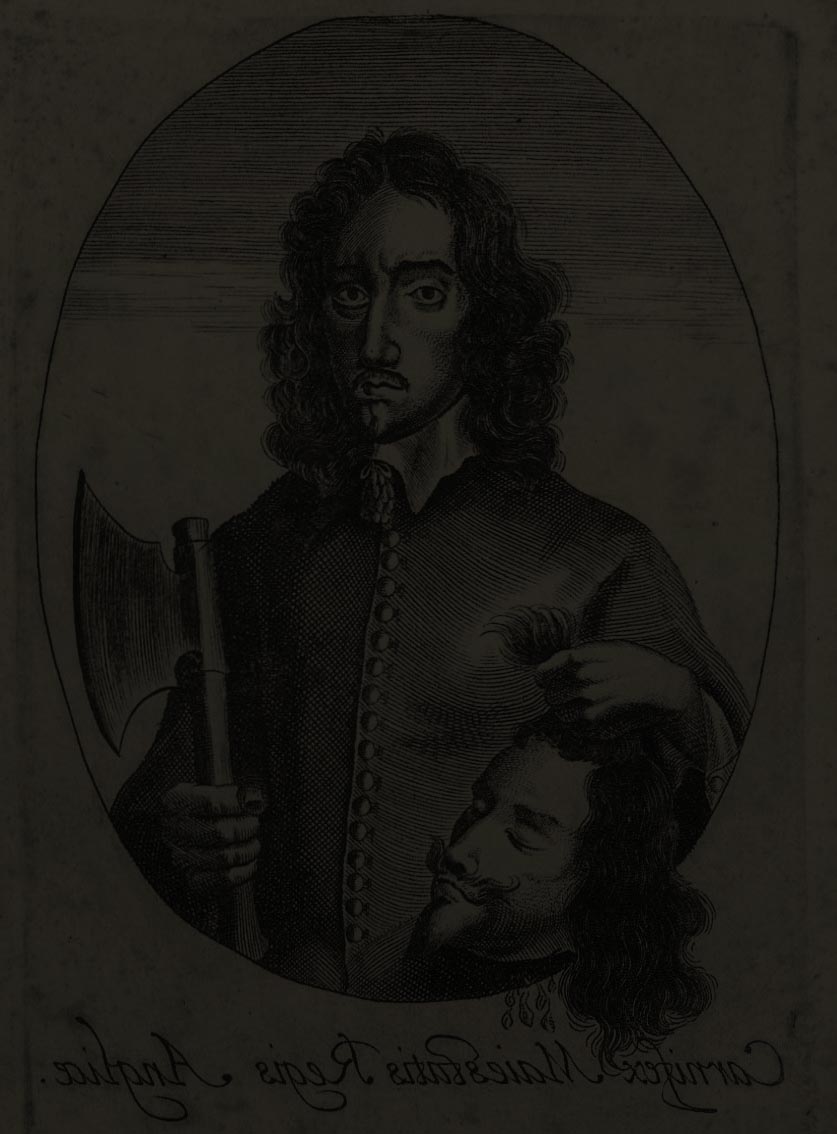
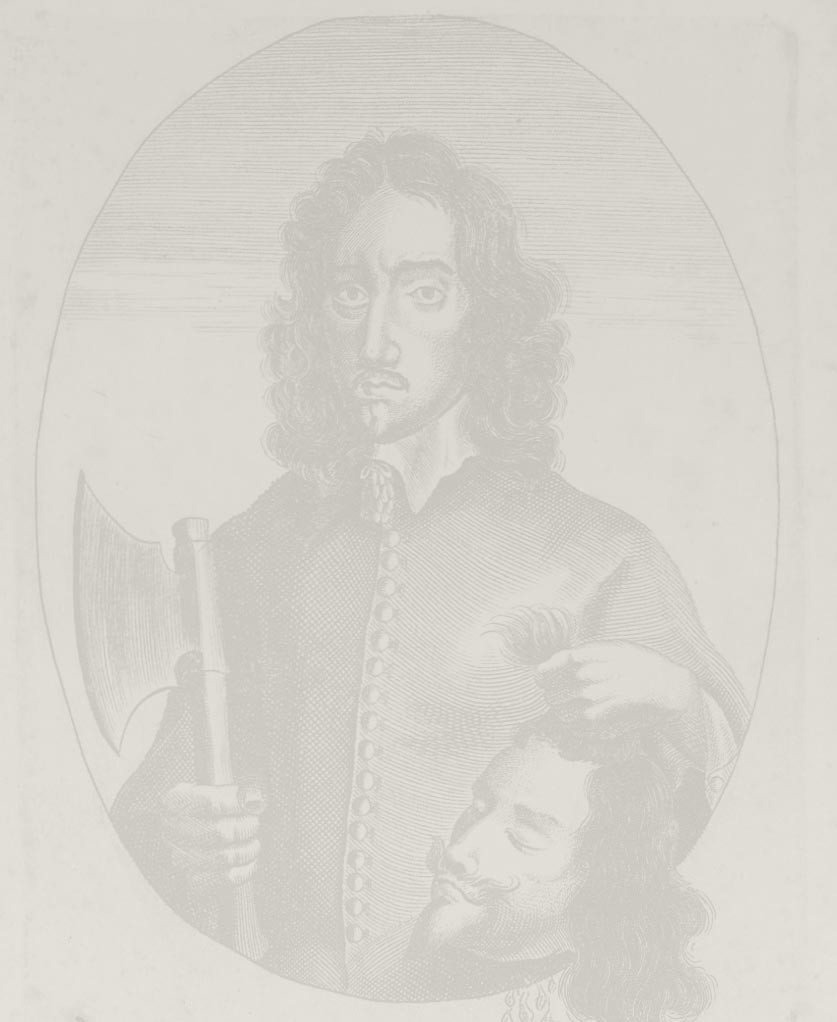
This poem follows one Upon the Imprisonment of his Sacred Majesty, That Unparalleled Prince, King Charles the First13; it thus follows not only in the manuscript’s arrangement, but in chronology. Charles, jailed in 1647, was in 1649 beheaded by his opponents in England’s civil wars. The monstrous singularity of this event seems reflected in the volume’s preceding blank page, paired with another after the next poem, On the Same15: these two poems, in their efforts to grieve a beloved, murdered ruler, huddle together between visible, almost legible stretches of silence. Here, the speaker draws on the authority of conventional poetic claims of ineffability associated with praising monarchs. But now it is not just words that fail; now, even tears and sighs won’t serve — a devastating claim for a poet who figures much of her verse as tears and sighs. Instead, this poem insists the only fitting response to the king’s dismemberment is a kind of self-vivisection by mourners who are exhorted to weep not tears, but eyeballs, and to sigh not air, but their very souls: that is, to grieve themselves to death.
Compare Editions
i
1Let none presume to weep; tears are too weak
2
Such2
an
unparall’d3
loss as this to speak.
3Poor village girls do so express their grief,
4And in that sad expression find relief.
5When such a
prince4
in such a manner dies,
6Let us (ay me!) no more drop tears, but eyes;
7Nor let none dare to sigh or strike their breast
8To show a grief that so transcends the rest.
9
Plebeians5
so each vulgar loss
deplore6
;
10We do too little, if we do no more.
11When such a king in such a manner dies,
12Let us
suspire7
our souls, weep out our eyes.
Macron symbol indicating the end of a poem.

Elemental Edition,

edited by Leah Knight and Wendy Walli

Editorial Note

The aim of the elemental edition is to make the poems accessible to the largest variety of readers, which involves modernizing spelling and punctuation as well as adding basic glosses. Spelling and punctuation reflect current standard American usage; punctuation highlights syntax which might otherwise be obscure. Outmoded but still familiar word forms (“thou,” “‘tis,” “hold’st”) are not modernized, and we do not modernize grammar when the sense remains legible.

After a brief headnote aimed at offering a “way in” to the poem’s unique qualities and connections with other verse by Pulter or her contemporaries, the edition features a minimum of notes and interpretative framing to allow more immediate engagement with the poem. Glosses clarify synonyms or showcase various possible meanings in Pulter’s time. Other notes identify named people and places or clarify obscure material. We rely (without citation) primarily on the Oxford English Dictionary (OED), the Oxford Reference database, and the King James Version (KJV) of the Bible. When we rely on Alice Eardley’s edition of Pulter’s work, we cite her text generally (“Eardley”); other sources are cited in full. The result is an edition we consider a springboard for further work on Pulter’s poetry.

See the full conventions for the elemental edition here.

Macron symbol indicating the end of a poem.
  • Leah Knight, Brock University
  • Wendy Wall, Northwestern University
  • Incomparable Prince
    In the manuscript, the title specifies: “King Charles the First.” In the English civil war between royalists and parliamentarians, Charles I was sentenced to death and beheaded in 1649.
  • Such
    of such
  • unparall’d
    Spelled “unparelled” (for “unparalleled”) in the manuscript, we have maintained an abbreviation for the sake of the meter.
  • prince
    sovereign ruler
  • Plebeians
    commoners
  • deplore
    mourn
  • suspire
    sigh, breathe out
The Pulter Project

Copyright © 2023
Wendy Wall, Leah Knight, Northwestern University, others.

Except where otherwise noted, this site is licensed
under a Creative Commons CC BY-NC-SA 4.0 License.

How to cite
About the project
Editorial conventions
Who is Hester Pulter?
Resources
Get in touch