• No results
ElementalAmplified
Manuscript
Notes
#
The Pulter Project
pulterproject.northwestern.edu
Poem 49

My Heart, Why Dost Thou Throb So in My Breast?

Edited by Leah Knight and Wendy Wall
The model cheer and calm of strangled larks and sacrificial lambs are proffered as alternatives to the speaker’s restlessly throbbing heart and obstinately death-averse soul. As she does in other poems, Pulter writes to reprimand her soul for being afraid to die. Yet the poem’s opening rapid-fire interrogation mimics the very “unrest” it critiques. Similarly, the catalogue of creatures who coolly meet their fates is punctuated by disjunctions (“Yet … But … But”) which castigate the speaker. Only in the poem’s last lines are we released from this pattern of self-shaming, when the enjambment formally suggests, in an echo of the content, the greater scope of an afterlife unconfined by fleshly exemplars and our failures to live up to them.
Compare Editions
i
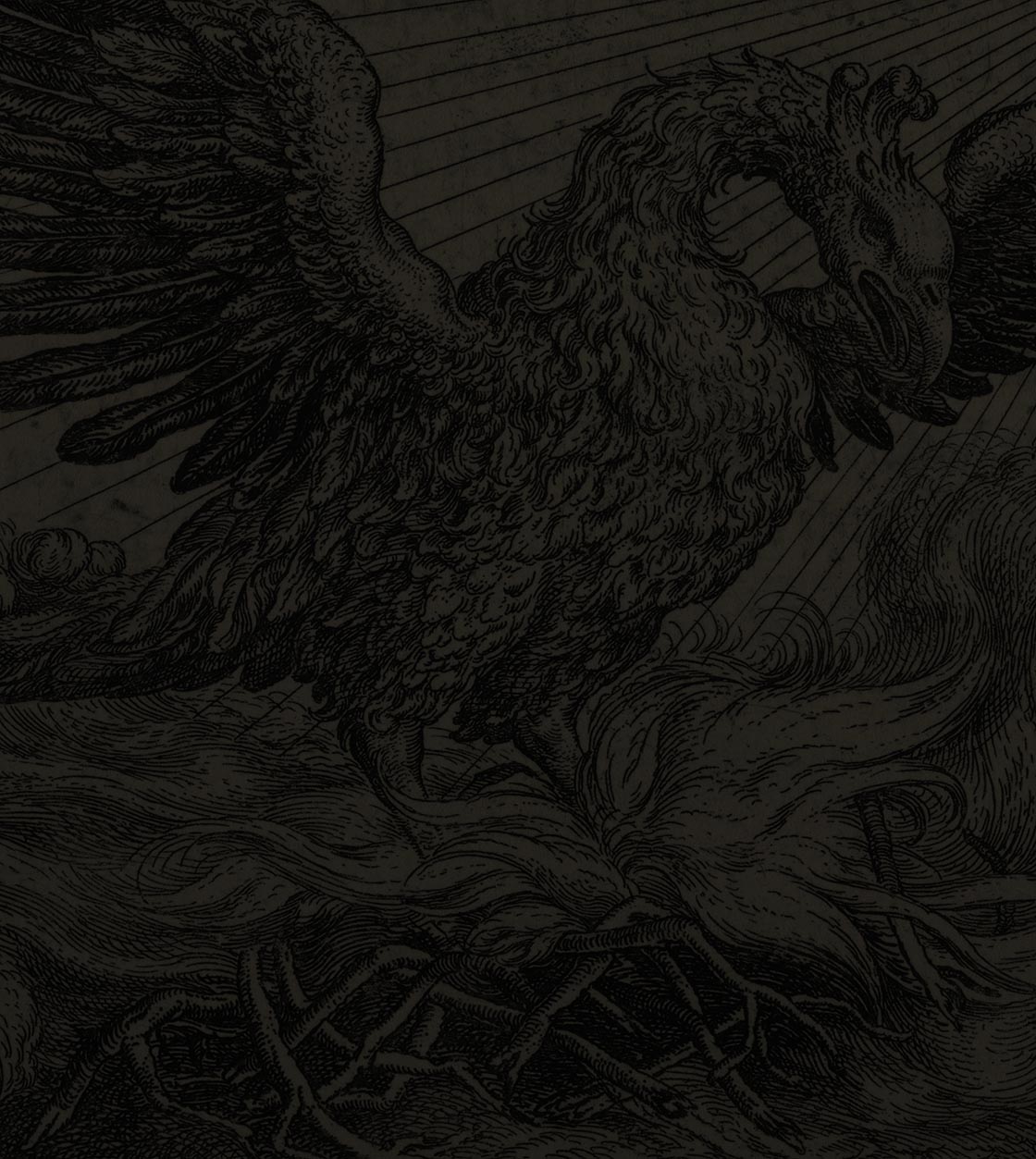
1My heart, why dost thou throb so in my breast?
2What, dost thou ail? What causeth thy unrest?
3Dost thou not know that, as the flames ascend,
4So man in sorrow doth begin and end?
5The
sprightly1
lark, how cheerfully she sings,
6Until the hawk her little neck off wrings;
7Yet thou to sigh and sob dost never cease
8Because thy sorrows with thy years increase.
9The milk-white lamb that on the altar lies
10Yields himself up a quiet sacrifice;
11But thou wouldst have the course of nature turn
12Rather than in affliction’s furnace burn.
13The
phoenix2
doth
assume3
her funeral pyre,
14And in those
flagrant4
odors doth expire;
15But thou, my soul, unwilling art to die,
16And in thy grave
obliviated5
lie,
17Although it would thy
drossy6
part
calcine7
18Away, and infinitely refine
19Thy flesh, that it more gloriously may shine.

Macron symbol indicating the end of a poem.

Elemental Edition,

edited by Leah Knight and Wendy Walli

Editorial Note

The aim of the elemental edition is to make the poems accessible to the largest variety of readers, which involves modernizing spelling and punctuation as well as adding basic glosses. Spelling and punctuation reflect current standard American usage; punctuation highlights syntax which might otherwise be obscure. Outmoded but still familiar word forms (“thou,” “‘tis,” “hold’st”) are not modernized, and we do not modernize grammar when the sense remains legible.

After a brief headnote aimed at offering a “way in” to the poem’s unique qualities and connections with other verse by Pulter or her contemporaries, the edition features a minimum of notes and interpretative framing to allow more immediate engagement with the poem. Glosses clarify synonyms or showcase various possible meanings in Pulter’s time. Other notes identify named people and places or clarify obscure material. We rely (without citation) primarily on the Oxford English Dictionary (OED), the Oxford Reference database, and the King James Version (KJV) of the Bible. When we rely on Alice Eardley’s edition of Pulter’s work, we cite her text generally (“Eardley”); other sources are cited in full. The result is an edition we consider a springboard for further work on Pulter’s poetry.

See the full conventions for the elemental edition here.

Macron symbol indicating the end of a poem.
  • Leah Knight, Brock University
  • Wendy Wall, Northwestern University
  • sprightly
    vivacious
  • phoenix
    in classical myth, a bird said to burn itself on a funeral pyre ignited by the sun and fanned by its wings; the bird rises from the ashes with renewed youth
  • assume
    accept, undertake
  • flagrant
    blazing, hot, or to do with the visible appearance of flame; but also possibly fragrant (a sense pertinent to “odors”)
  • obliviated
    forgotten
  • drossy
    mixed with impurities; modified from manuscript’s “dropsie,” in which “p” is partly blotted
  • calcine
    burn to ash, purify
The Pulter Project

Copyright © 2023
Wendy Wall, Leah Knight, Northwestern University, others.

Except where otherwise noted, this site is licensed
under a Creative Commons CC BY-NC-SA 4.0 License.

How to cite
About the project
Editorial conventions
Who is Hester Pulter?
Resources
Get in touch