• No results
ElementalAmplified
Manuscript
Notes
#
The Pulter Project
pulterproject.northwestern.edu
Poem 48

Immense Fount of Truth, Life, Love, Joy, Glory

Edited by Leah Knight and Wendy Wall
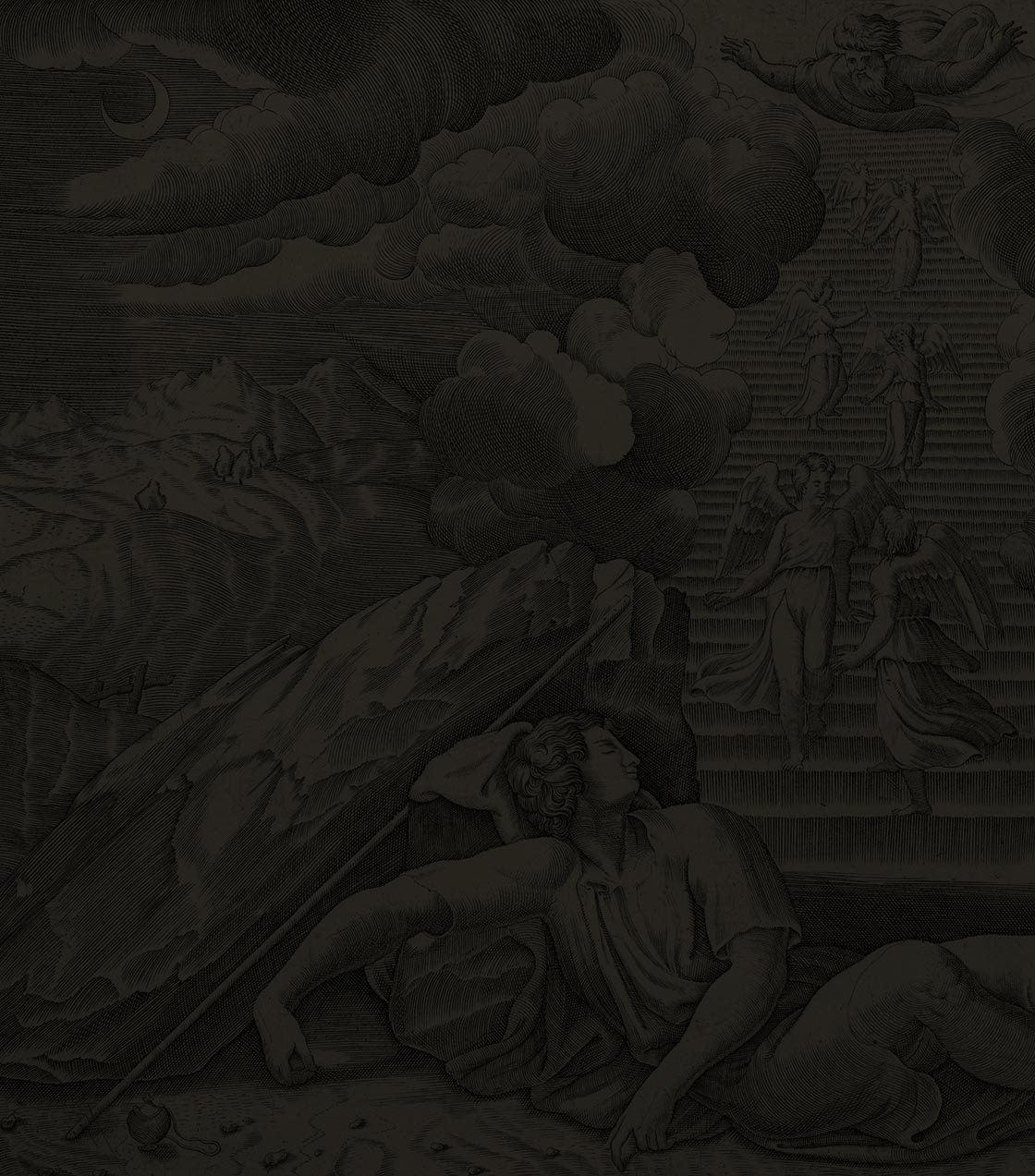
Alluding to love sonnets that promise to immortalize a beloved in writing, Pulter, like John Donne, creates a 14-line poem with God as its object of devotion. The speaker cements this association by concluding with a promise to inscribe God in verse that glorifies him not only on earth (as her own poem currently does) but beyond, in some vast and yet unknown eternity. In fact, the speaker’s pleading for an infusion of heavenly light into her soul becomes a type of contract, since it is phrased contingently: if she is “irradiated” with divine spirit, she will be resurrected and able to produce songs that amplify God’s name (a proper name interestingly withheld in this mortal poem). Pulter’s vision of transformation includes an elemental recycling of elements: her body’s dissolution at death converts to ascend what she uniquely and vividly terms “the stairs of revolution,” the restless motions necessary for salvation.
Compare Editions
i
1Immense Fount of truth, life, love, joy, glory:
2
Irradiate1
my soul in her dark
story2
.
3Let not th’erroneous shades of death and night
4Obscure Thy love and glory from my sight.
5Though this my corpse (until my dissolution,
6And then
but3
by the
stairs of revolution4
)
7Cannot attain Thy radiant throne above,
8Yet be Thou pleaséd to infuse Thy love
9And light unto my sad, deserted soul,
10That in Thy endless mercy I may
roll5
;
11And when Death closeth up my mortal eye,
12I then may live and only Sin may die;
13And then Thy blessed name I’ll
magnify6
14Beyond the reach of all eternity.
Macron symbol indicating the end of a poem.

Elemental Edition,

edited by Leah Knight and Wendy Walli

Editorial Note

The aim of the elemental edition is to make the poems accessible to the largest variety of readers, which involves modernizing spelling and punctuation as well as adding basic glosses. Spelling and punctuation reflect current standard American usage; punctuation highlights syntax which might otherwise be obscure. Outmoded but still familiar word forms (“thou,” “‘tis,” “hold’st”) are not modernized, and we do not modernize grammar when the sense remains legible.

After a brief headnote aimed at offering a “way in” to the poem’s unique qualities and connections with other verse by Pulter or her contemporaries, the edition features a minimum of notes and interpretative framing to allow more immediate engagement with the poem. Glosses clarify synonyms or showcase various possible meanings in Pulter’s time. Other notes identify named people and places or clarify obscure material. We rely (without citation) primarily on the Oxford English Dictionary (OED), the Oxford Reference database, and the King James Version (KJV) of the Bible. When we rely on Alice Eardley’s edition of Pulter’s work, we cite her text generally (“Eardley”); other sources are cited in full. The result is an edition we consider a springboard for further work on Pulter’s poetry.

See the full conventions for the elemental edition here.

Macron symbol indicating the end of a poem.
  • Leah Knight, Brock University
  • Wendy Wall, Northwestern University
  • Irradiate
    illuminate, brighten spiritually
  • story
    life
  • but
    only
  • stairs of revolution
    in Christianity, the process by which souls will be restored to their bodies and spiritually raised in heaven at the “Second Coming of Christ” (also known as Resurrection Day or the Final Judgment); not usually figured as a “revolution,” with connotations of astronomical cyclical motions and political upheaval
  • roll
    rotate, trust in God
  • magnify
    glorify, enlarge
The Pulter Project

Copyright © 2023
Wendy Wall, Leah Knight, Northwestern University, others.

Except where otherwise noted, this site is licensed
under a Creative Commons CC BY-NC-SA 4.0 License.

How to cite
About the project
Editorial conventions
Who is Hester Pulter?
Resources
Get in touch