• No results
ElementalAmplified
Manuscript
Notes
#
The Pulter Project
pulterproject.northwestern.edu
Poem 22

To Aurora
[1]1

Edited by Lara Dodds
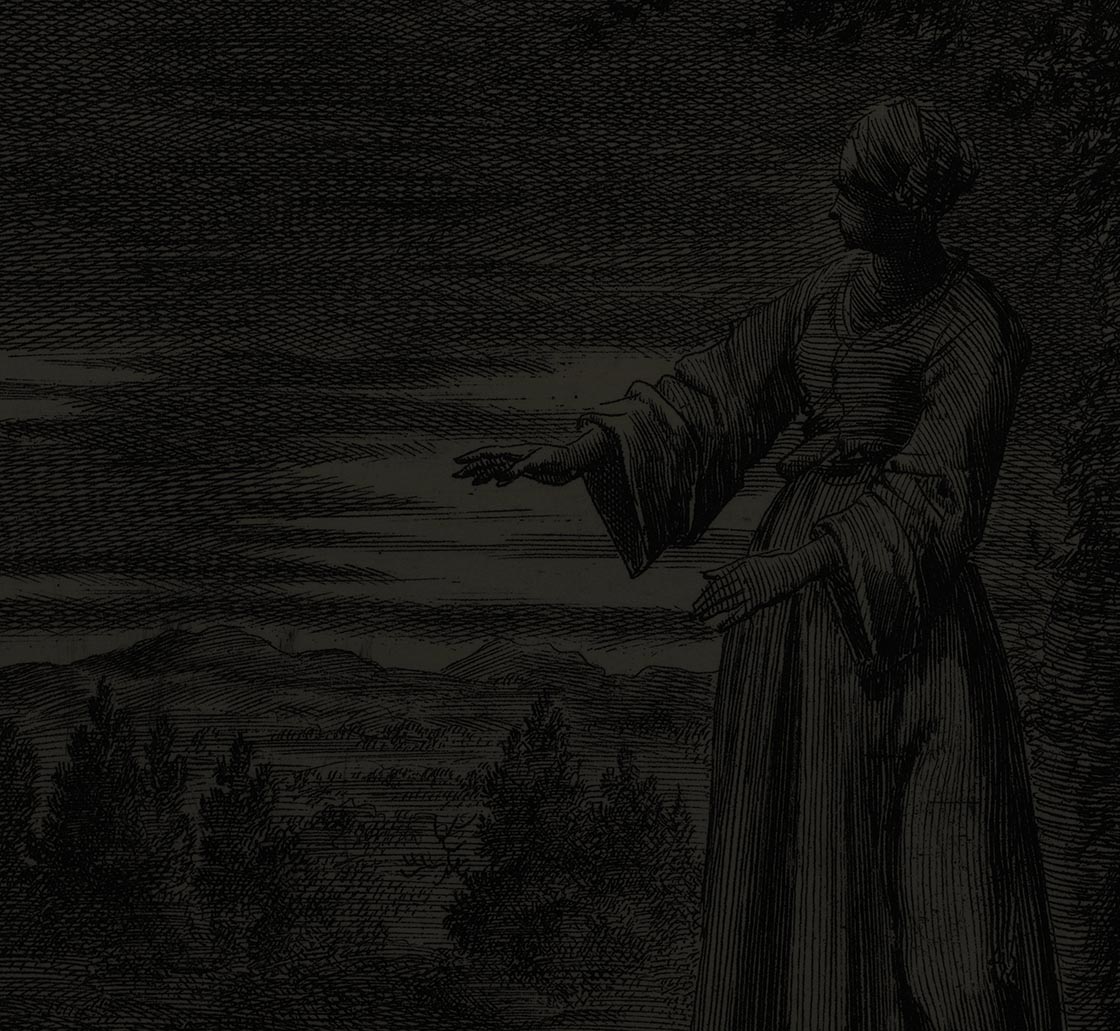
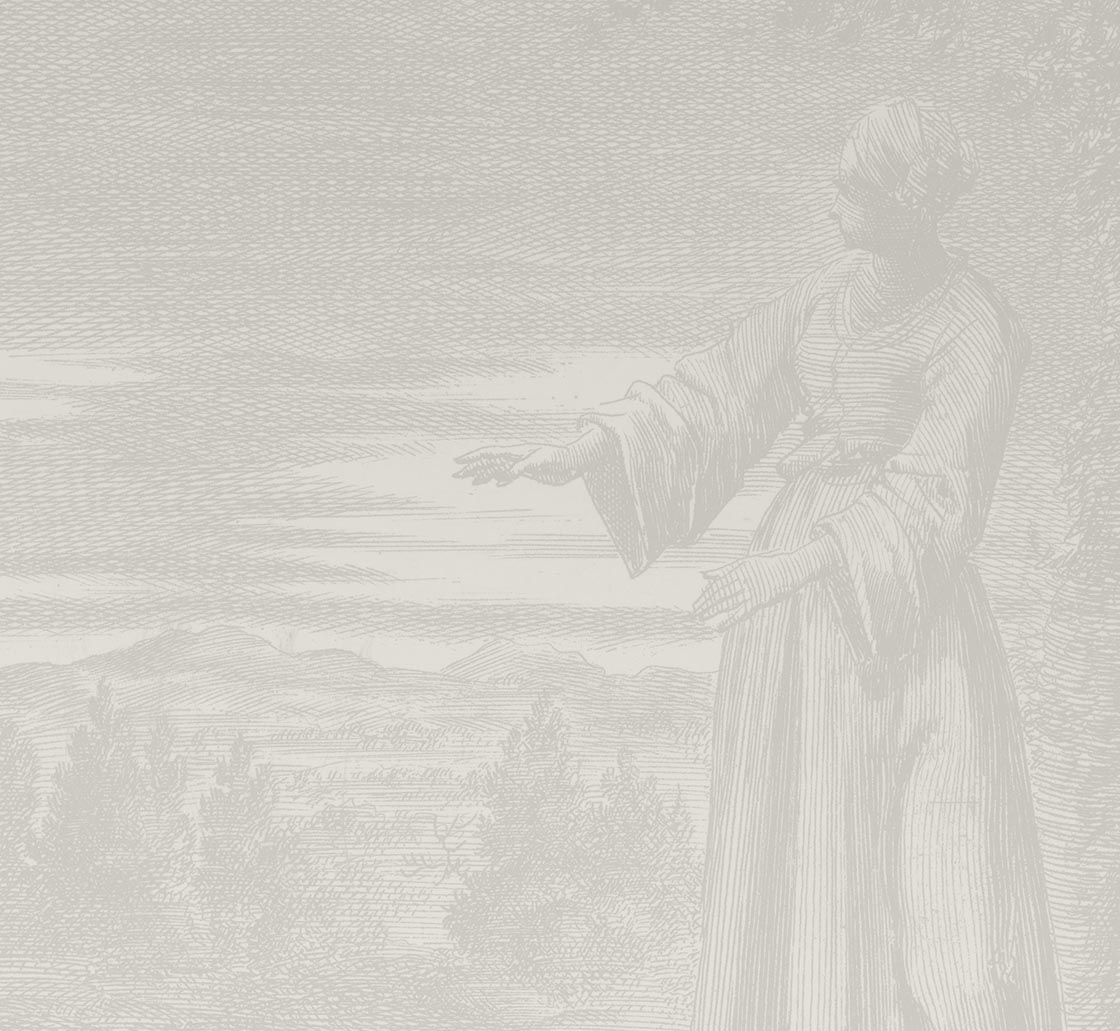
“To Aurora [1]” is one of several poems by Pulter about or addressed to Aurora, the goddess of the dawn. The figure of Aurora is important in Pulter’s mythography, appearing as well in Aletheia’s Pearl32. In “To Aurora [1]” the speaker situates herself between night and day. She implores Aurora to arrive and drive away the Night, which, rather than offering rest, is a time when the speaker is forced to contemplate her sinful state. This poem can be usefully read in the context of the aubade. In the best known English examples of this tradition, such as Donne’s “The Sun Rising” or Juliet’s speech in Act 2 of Shakespeare’s Romeo and Juliet, heterosexual lovers desire to arrest the dawn. Pulter’s poem, by contrast, invites Aurora (and her daughter Astraea, the goddess of justice) to join her. These two female figures are the speaker’s “eternal friends,” and she demands that they rescue her from darkness, uncertainty, and doubt.
Compare Editions
i
1
Fair rosy virgin2
, when wilt thou
arise3
2And show the radiant luster of thine eyes?
3Could’st thou but only view and not expel
4This ugly hag, thou would’st trample her to Hell.
5
Old Night (I mean) with her infernal brood4
,
6Who make men’s miseries their accursed food.
7Did guilty only suffer, I would cease
8These sad
complaints5
and ever hold my peace,
9Though innocence I hold still in my breast;
10
Yet she (ay me) disturbs my quiet rest6
.
11But I forget myself. What do I mean?
12For who (alas) can say their heart is clean?
13Come, then,
sweet maid with thine immortal issue7
,
14Who for a veil no
bodkin8
needs, nor tissue
15Her
alabaster9
fabric to invest,
16For in her naked beauty she shows best;
17Come, then, and conquer these infernal fiends,
18
Sweet Light and Truth10
, my two eternal friends.
Macron symbol indicating the end of a poem.

Amplified Edition,

edited by Lara Doddsi

Editorial Note

I have modernized spelling and punctuation in this poem with the aim of enhancing clarity and readability. The notes gloss unfamiliar words and provide cultural and literary contexts.
Macron symbol indicating the end of a poem.
  • Lara Dodds, Mississippi State University
  • [1]
    Pulter’s four other poems named for the dawn are poems Aurora [1]3, To Aurora [2]26, To Aurora [3]34, and Aurora [2]37.
  • Fair rosy virgin
    Pulter alludes to the Homeric epithet (“rosy-fingered”) in her address to Aurora, the Roman personification of the dawn. In Greek, Aurora is known as Eos. See Hesiod, Theogony, lines 371-382. In Ovid’s Metamorphoses, Aurora appears as an aggressive lover (7.690-758.) and the wife of a human husband who is granted immortality but not eternal youth (9.418-38).
  • arise
    “To Aurora [1]” is an example of an aubade, or dawn song. The best known English example is John Donne’s “The Sun Rising,” in which the speaker expresses regret that the dawn brings an end to time with his lover. Pulter’s speaker, by contrast, eagerly anticipates the dawn’s arrival.
  • Old Night (I mean) with her infernal brood
    Reference to Nyx, the Greek goddess of the night. Night is the daughter of Chaos and is “old” because she was among the first of the gods (see also Milton, Paradise Lost, “eldest Night” [2.894]). Her offspring include Aether and Day as well as the “infernal brood”: the three Fates, Death, Sleep, Dreams, Blame, and Woe, among others. See Hesiod, Theogony ll.116-38 and ll. 211-25.
  • complaints
    the act of complaining or utterance of grief and, more specifically, a plaintive poem (OED, “complaint,” n.,1; 2b.). Pulter’s speaker promises to “cease these sad complaints” (a phrase which may refer specifically to her invocation of Aurora or more generally to the poetry of the manuscript) if suffering were restricted to the guilty. The speaker’s speculation about guilt and innocence prompts a notable shift in register. The speaker interrupts her apostrophe to Aurora to challenge her own status as speaker with self-reflexive questions (“What do I mean? / For who (alas) can say their heart is clean?”) that trouble the confident invocation of Aurora that begins and ends the poem.
  • Yet she (ay me) disturbs my quiet rest
    She is Night, who, through her children, brings pain and suffering rather than “rest.”
  • sweet maid with thine immortal issue
    Pulter continues to address Aurora as a virgin (“maid”) while also identifying her as a mother. Her “immortal issue” is Astraea, the goddess of justice (see also To Astraea23). Astraea’s appearance is associated with the return of the Golden Age, most notably in Virgil’s Eclogue IV.
  • bodkin
    a pin used to fasten hair or, as here, a veil (OED, “bodkin,” n, 3a.)
  • alabaster
    a translucent white stone; figuratively white skin (OED, “alabaster,” n, 1; adj.,1); Aurora’s “alabaster fabric” does not require a veil or “tissue” (rich cloth interwoven with gold or silver thread, OED “tissue,” n.,1a) to ornament it, but is most beautiful in its naked state.
  • Sweet Light and Truth
    Pulter’s speaker addresses Aurora and Astraea as Light and Truth respectively, which suggests that Truth is a quality of Justice just as Light is a quality of the Dawn.
The Pulter Project

Copyright © 2023
Wendy Wall, Leah Knight, Northwestern University, others.

Except where otherwise noted, this site is licensed
under a Creative Commons CC BY-NC-SA 4.0 License.

How to cite
About the project
Editorial conventions
Who is Hester Pulter?
Resources
Get in touch