• No results
ElementalAmplified
Manuscript
Notes
#
The Pulter Project
pulterproject.northwestern.edu
Poem 113

Emblem 48 (The Oyster and the Mouse)

Edited by Bruce Boehrer
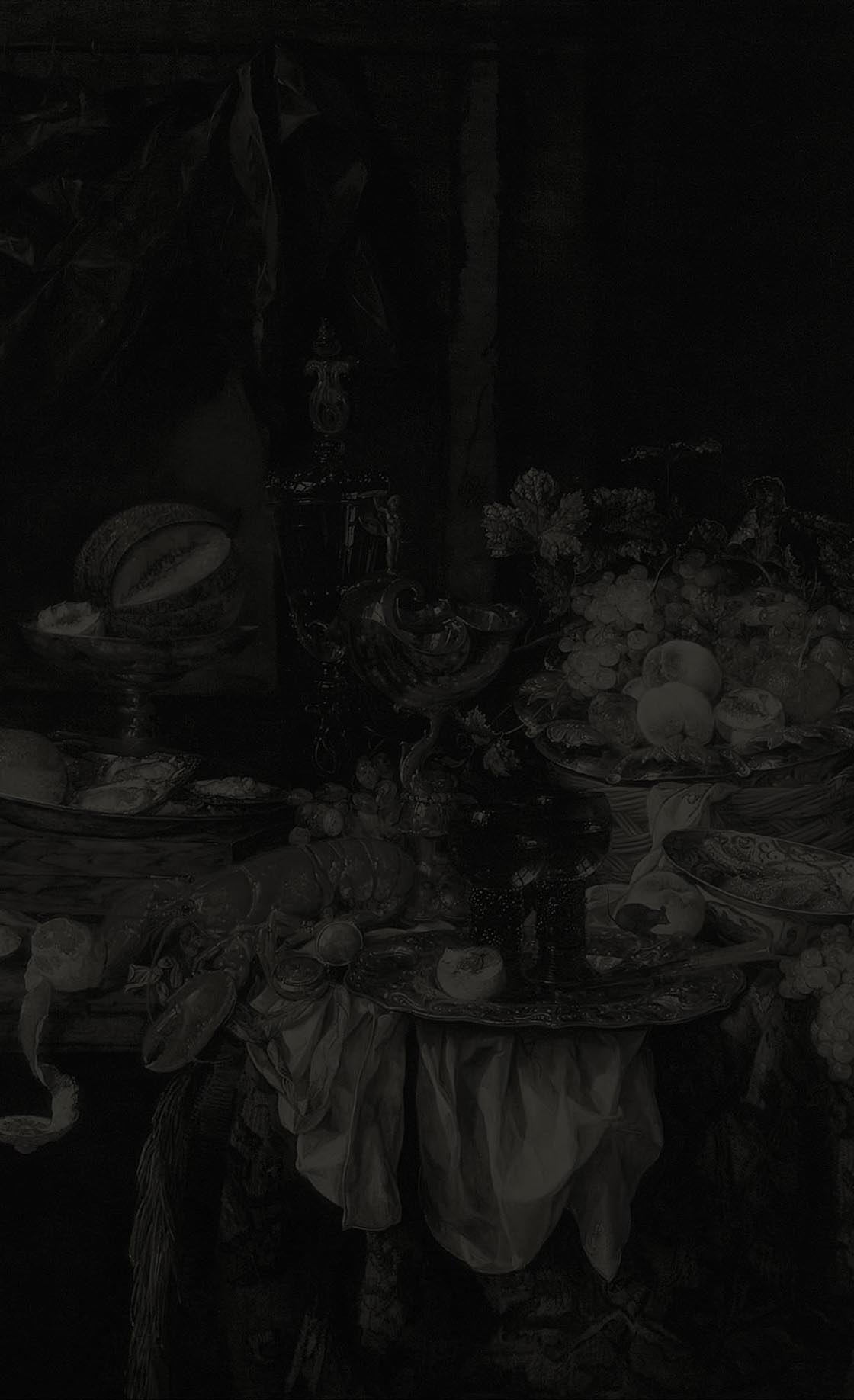
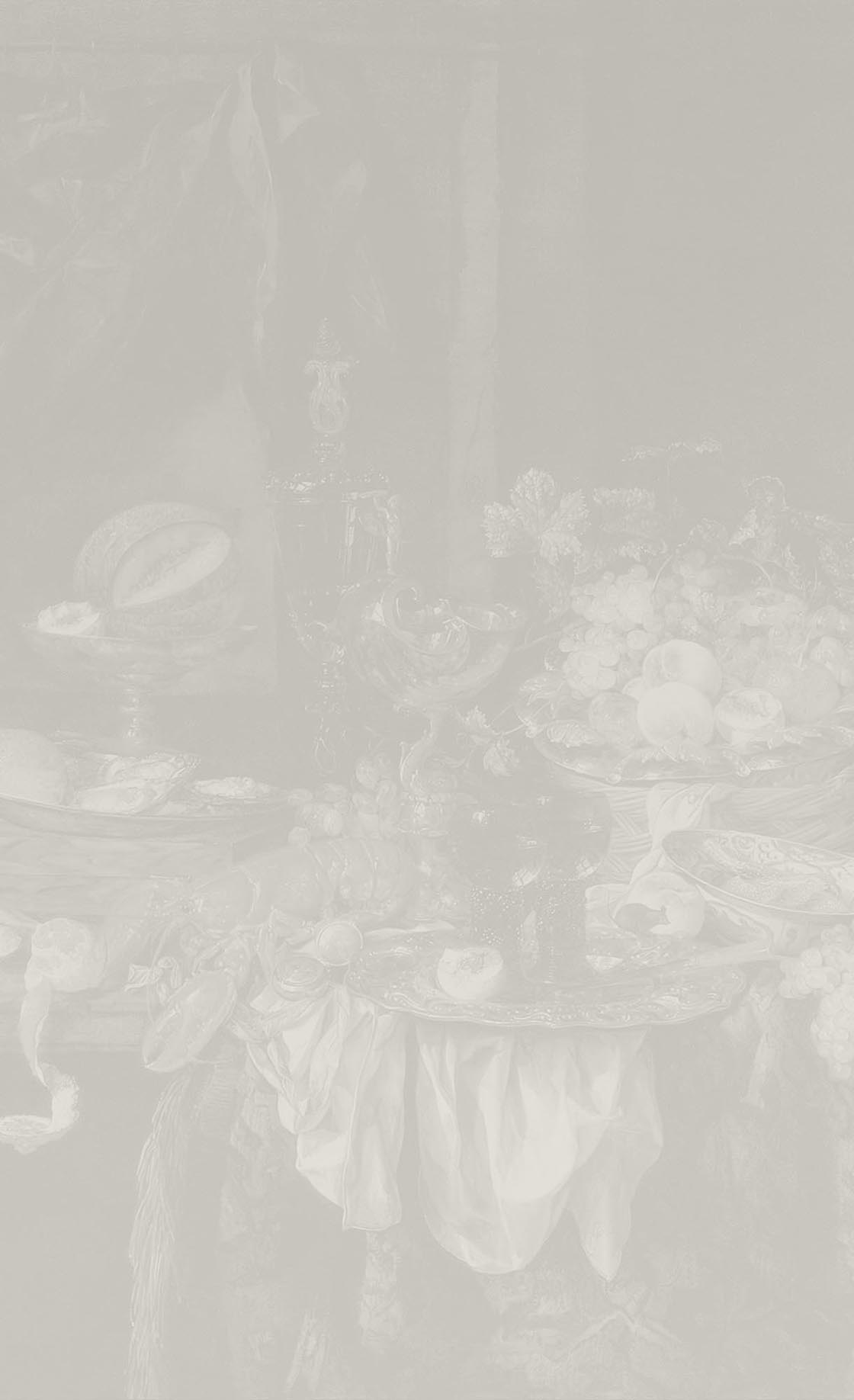
Pulter’s emblems often draw on bestiary lore to illustrate spiritual precepts—a conventional technique found in the work of other emblematists as well.1 Here, by contrast, Pulter alters the formula, reaching into her own personal experience to extract from it a bestiary-style exemplum. This process introduces tension, or even contradiction, into the fabric of the poem. On one hand, the emblem trades on a conventional contemptus mundi motif, exhorting us not to think “our Sinfull Souls … Secure” in this changeable world. But much of the poem’s energy remains invested in the very worldly goods and attainments it instructs us to contemn: Pulter’s father’s erstwhile appointment as Lord Treasurer and the gastronomic connection this entailed to the privy kitchen and the king himself. (The trappings of courtly luxury extend even to the food, with “large fish and seafood such as sturgeon, baked porpoise, and whale [traditionally] singled out as courtly foods, along with lamprey eels and oysters.”2) Through this tension, Pulter rehearses a standard interregnum royalist pose—a resigned renunciation of worldly affairs, coupled with a wistful recollection of the affairs thus renounced. And in fact, an undercurrent of militancy runs through this emblem, suggesting the limits of Pulter’s godly self-denial. Her “dismale bloudy Fights / Betwixt the Frogian and the Mecian Knights” derive from John Ogilby’s translation of “The Battel of the Frog and Mouse,” a late martial variant of an earlier, more rustic fable by Aesop.3 Moreover, Ogilby’s version also incorporates themes from the anonymous mock epic Battle of Frogs and Mice (c. 3rd century BCE), often attributed to Homer and rendered into English in 1624 by George Chapman as part of his translation of Homer’s works.4 Such poems seem to embody Pulter’s own literary aspirations: “Oh, that I now could speak the Mecian Tongues, / Or Frogian Language! But I want such Lungs.” Likewise, Pulter’s final couplet—“Then trust in God, Extoll Him Day and Night: / For Sun and Moon and Stars, shall for thee Fight”—tracks close to the royalist rhetoric of Shakespeare’s Richard II: “Yet know, my master, God omnipotent, / Is mustering in his clouds, on our behalf, / Armies of pestilence.”5 At such moments, Pulter’s emblem seems more interested in re-fighting old battles than in forsaking the field for heavenly things. Hence, too, the poem’s interest in “Tide, or Time, or Death”—the instruments whereby God reveals his will to mortals: these move in recurrent cycles, affording the oppressed a promise of future liberation, either here on earth through change of fortune or, in the case of death, among the saints in heaven.
  • 1. See e.g. Pulter The Dubious Raven (Emblem 11)77, The Stately Unicorn (Emblem 14)80, The Cruel Tiger (Emblem 15)81; see also Geoffrey Whitney, A Choice of Emblems (Leiden, 1586), 52 (“Nil penna, sed usus”), 74 (“Gratiam referendam”), etc.
  • 2. Ken Albala, Eating Right in the Renaissance (Berkeley: U of California P, 2002), 206.
  • 3. See John Ogilby, The Fables of Aesop (London, 1651), Fable 6, 11–12. For the earlier form of the fable, see William Caxton, The Subtyl Hystories and Fables of Esope (London, 1484), 1.3 (f. 32v).
  • 4. George Chapman, The Crowne of all Homers Workes (London, 1624), 1–17.
  • 5. William Shakespeare, Richard II, ed. Peter Ure (London: Methuen, 1978), 3.3.85–7.
Compare Editions
i
1When
royal Fergus’1
Line did rule this Realm,
2My Father had the Third place at the Helme.
3Out of the Privie Kitchin came his Meat;
4Of sixteen Dishes hee might dayly Eat.
5All things that were in Season out were Sought.
6Amongst the rest they
Welfleet Oysters2
Brought,
7Which being set ready till my Father Comes,
8A Mous leaps on the Table for the Crumbs,
9Then Skipping up and down, her Tayl did Glide
10By chance betwixt the shells. T’was then full Tide.
11The Oyster, Feeling one within her Hous,
12Clapt close her doors, and thus shee Catch’d the Mous.
13Oh, that I now could speak the
Mecian Tongues3
,
14Or Frogian Language! But I want such Lungs
15As hee that writ the dismale bloody Fights
16
Betwixt the Frogian and the Mecian Knights4
.
17Surely noe Weomen, and I think few Men,
18Can dance soe well as hee with feet and Pen.
19But hee those Tongues as I have heard did Seek
20Before hee Learnd
the Latin or the Greek5
.
21But now the Captive Mous her dubious Fate
22In my own Mother Tongue I must relate.
23As her imprisonment came by A Flow,
24Soe the next happy Tide did let her goe.
25O wonderfull! who would have ever thought
26That from the
Deliane6
Twins help should bee brought?
27Then let us learn, while Flesh doth here immure
28Our Sinfull Souls, not think our Selves Secure.
29As this dul Fish was Torn up from A Rock,
30This Spritely Mous in Prison thus to Lock,
31Soe from A
vulgar7
one may rise to Raign
32That many a Noble Spirit may Restrain.
33This is too true; yet let them patient bee
34For Tide, or Time, or Death, will set them free.
35Then trust in God, Extoll Him Day and Night:
36For Sun and Moon and Stars, shall for thee Fight.

Macron symbol indicating the end of a poem.

Amplified Edition,

edited by Bruce Boehreri

Editorial Note

I’ve chosen to preserve Pulter’s spelling and capitalization, while expanding superscripts and contractions and lightly modernizing punctuation.
Macron symbol indicating the end of a poem.
  • Bruce Boehrer, Florida State University
  • royal Fergus’
    Traditionally the first king of Scotland, Fergus serves here as the original ancestor of King Charles I. According to George Buchanan’s Rerum Scoticarum Historia (1582), Fergus reconquered Scotland from the invading Romans—an account which may here contribute to the martial undertones of Pulter’s emblem.
  • Welfleet Oysters
    The town of Wellfleet, Massachusetts, home to the eponymous strain of New England oysters, derives its name from the Wallfleet oysters of Essex. However, the American and English oysters are of different species: Crassostrea virginica and Ostrea edulis, respectively.
  • Mecian Tongues
    Apparently an orthographic back-formation from “Grecian,” the “Mecian Tongue” here offers a humorous counterpart to the all-male “puberty rite” of grammar-school Latin study (Walter Ong, Jr., “Latin Language Study as a Renaissance Puberty Rite,” Studies in Philology 56.2 [April, 1959], 103–24).
  • Betwixt the Frogian and the Mecian Knights
    Ogilby’s version of the fable of the frog and mouse owes a great deal to the pseudo-Homeric mock epic Battle of Frogs and Mice (Batrachomyomachia), whose epic war begins when the king of the frogs inadvertently drowns the mouse-prince Psycharpax.
  • the Latin or the Greek
    Ogilby mastered the classical tongues belatedly, after injury cut short his career as a dancing master. Wendy Wall has noted how dancing could be used to figure “the precarious freedom most female writers had when they sat down to compose their literary works” (The Imprint of Gender: Authorship and Publication in the English Renaissance [Ithaca: Cornell UP, 1993), 283).
  • Deliane
    The deities Apollo and Artemis, traditionally born on the island of Delos, appear here by virtue of their respective association with the sun and moon, which lends them influence over tides.
  • vulgar
    Literally “of the common people” (from Latin vulgaris). The mock-heroic comparison to oysters (“As this dul Fish”) disparages Cromwell along the Great Chain of Being. More generally, Pulter trades here between differing markers of—and perspectives on—status: as high-class consumables, the oysters are fit for a king, whereas their dull fishiness associates them with Cromwell and the common sort. The captive mouse, on the other hand, stands in for the oppressed followers of King Charles, while also figuring forth their hopes for an eventual reversal of fortune.
The Pulter Project

Copyright © 2023
Wendy Wall, Leah Knight, Northwestern University, others.

Except where otherwise noted, this site is licensed
under a Creative Commons CC BY-NC-SA 4.0 License.

How to cite
About the project
Editorial conventions
Who is Hester Pulter?
Resources
Get in touch